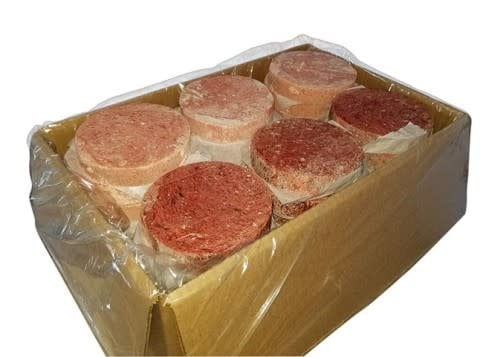

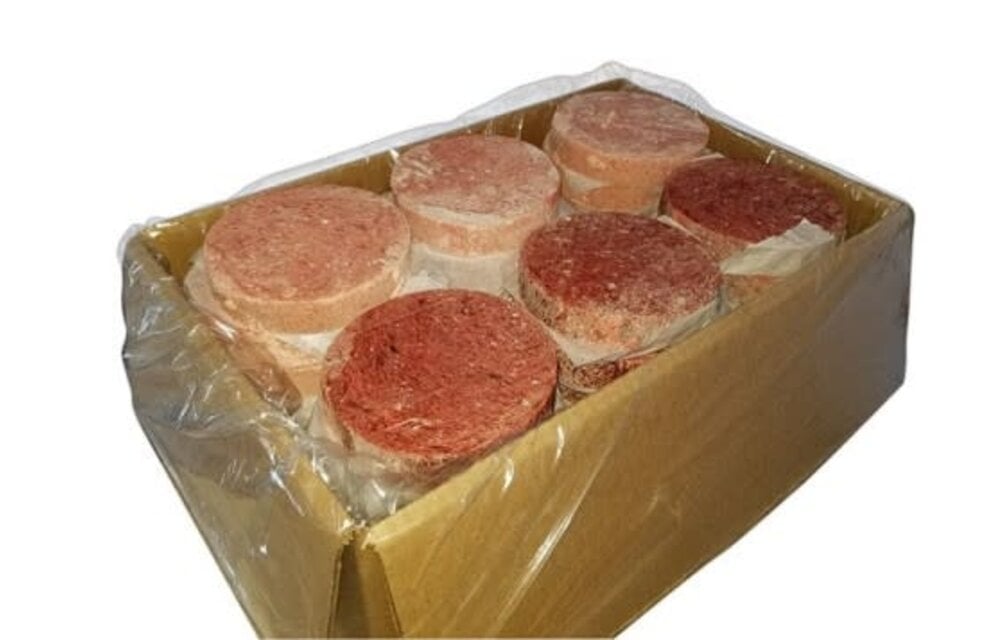
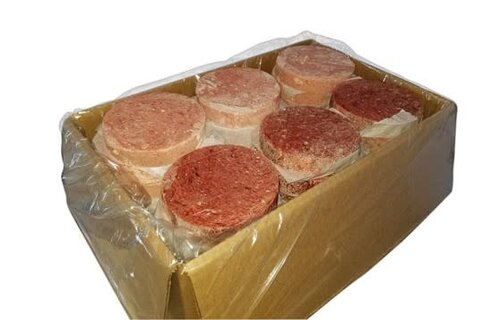
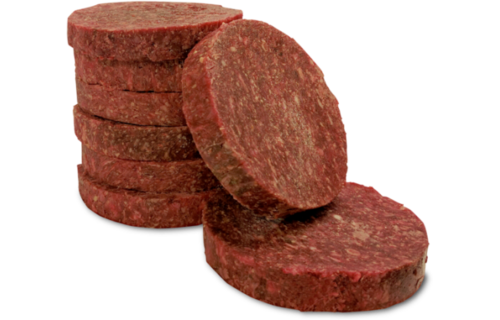
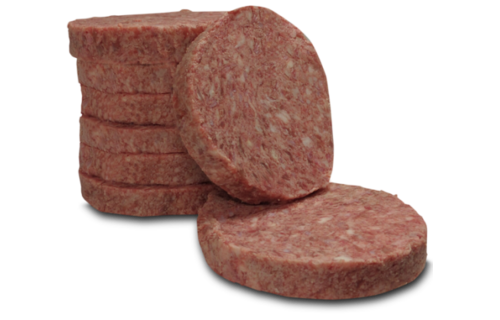
Carnivora Pork & Chicken Variety Pack 24lb
93.99 Excl. tax Out of stock Available in store: Check availability
Available in store
CloseUltra Premium Fresh Frozen Patties for Dogs & Cats...
- FREE Local Delivery
Available in store
Close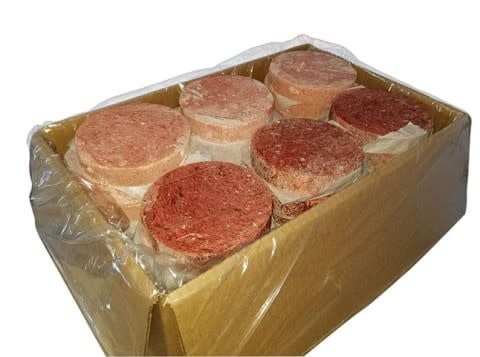
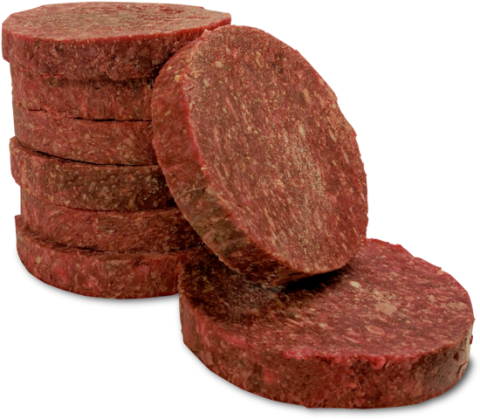
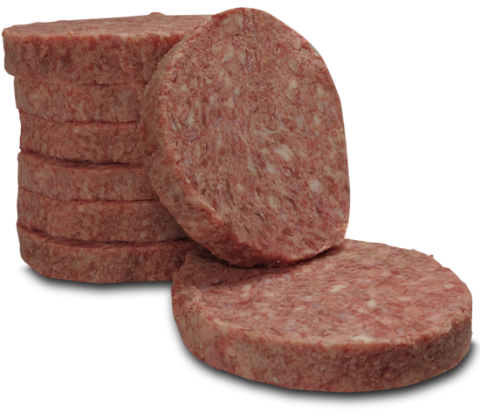
The canine and feline's natural diet is whole prey animals and occasionally fruits and grasses. A whole prey carcass is low in carbohydrate and fat and high in animal protein, bulk, and roughage - not plant fiber, but less digestible parts, such as bone, cartilage, scales, fur, feather, skin, tendon, and teeth.
The patties will not be labelled in the box. If your pet has allergies or intolerances or if it is a picky eater, this is not the box for you.
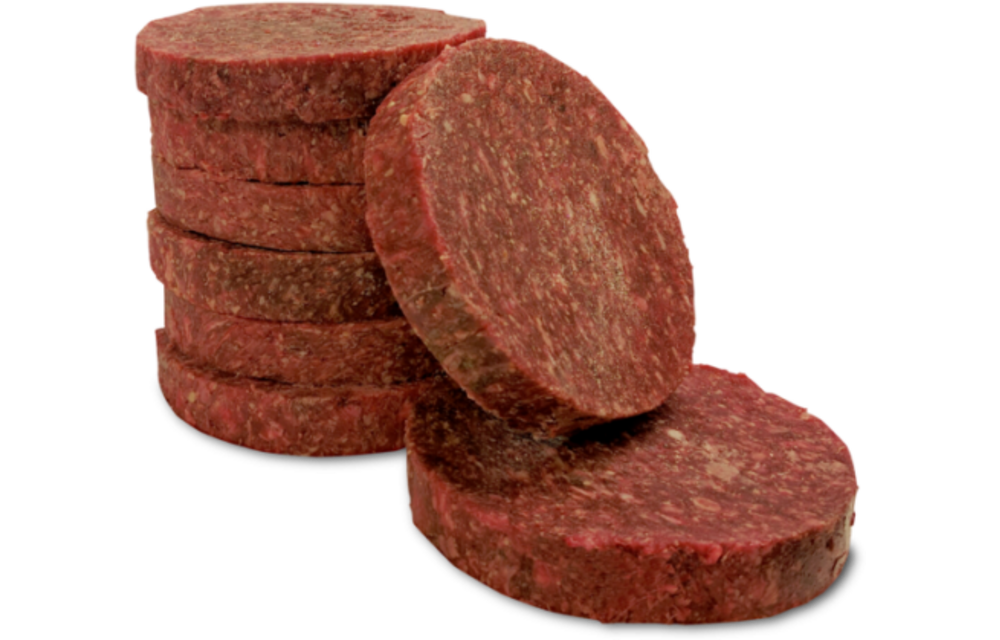
Pork patties contain the whole animal except the heads, hides, bladder and large intestine (manure) and feet. We do not use non-edible bones as these would not be consumed in nature due to their density. Organs make up approximately 8 to 10 % of the patties - this includes lungs, liver, heart and kidneys.
On average over all our protiens, patties are composed of 66% muscle meat, 7% bone, 10% organs, 7% blood and 10% fat. Other than the vegetables and fruit in our dinners we DO NOT add anything to our foods. You may supplement as needed. Please ask for a brochure or visit our website for healthcare and supplement products.
Commonly pork has been referred to as “the other white meat”! In fact, pork is actually considered a red meat. This is because all cloven-hoofed animals, like pigs, are classified as “red”. It is the most commonly consumed red meat worldwide, especially in eastern Asia. Being high in protein and rich in many vitamins and minerals, lean pork can be an excellent addition to a healthy diet for your pet. Pork contains varying amounts of fat depending on the level of trimming and various other factors. The fatty acid composition of pork is slightly different from the meat of ruminant animals, such as beef and lamb. It is low in conjugated linoleic acid (CLA) and is slightly richer in unsaturated fats.
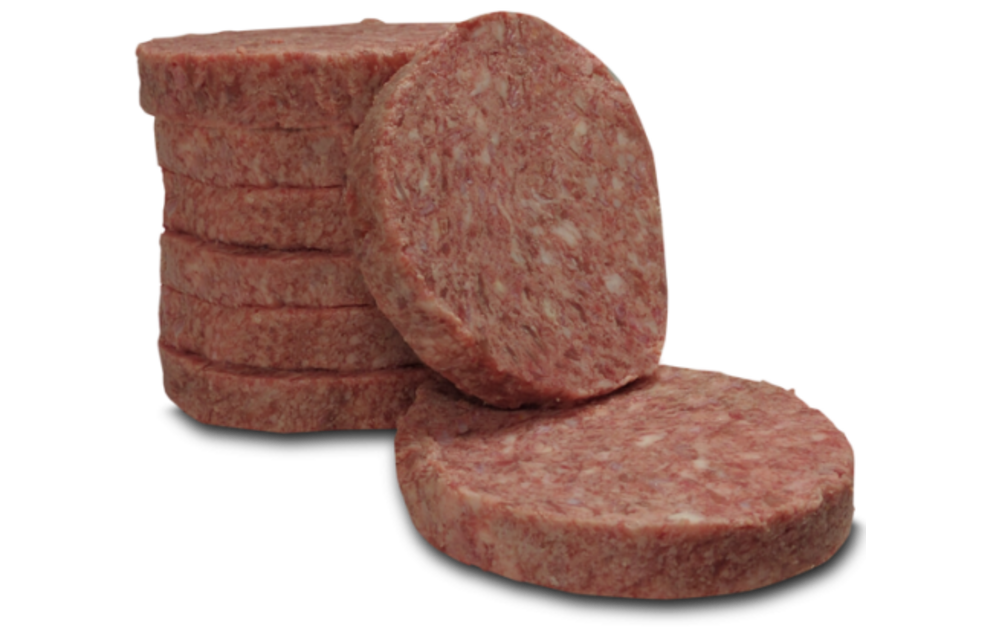
Our whole chicken patties contain the entire bird except the head, feet, feathers, and intestines. On average, the patties are composed of approximately 66% muscle meat, 7% bone, 8% organs (lungs, liver, heart, and kidneys), 7% blood, and 10% fat. Other than the vegetables and fruit in our dinners, we do not add anything to our foods — you may supplement as needed.
Chicken is one of the most popular raw diets, often chosen for its lower cost. Compared to other whole animal diets, it is not as nutrient-rich. Chickens store most of their fat in a layer under the skin and in the body cavity, and because the skin is usually included, chicken tends to be higher in fat than many other species. This fat contains higher amounts of omega-6 fatty acids. Diets higher in chicken fat may be unsuitable for less active dogs or for those with inflammatory conditions or skin issues.